
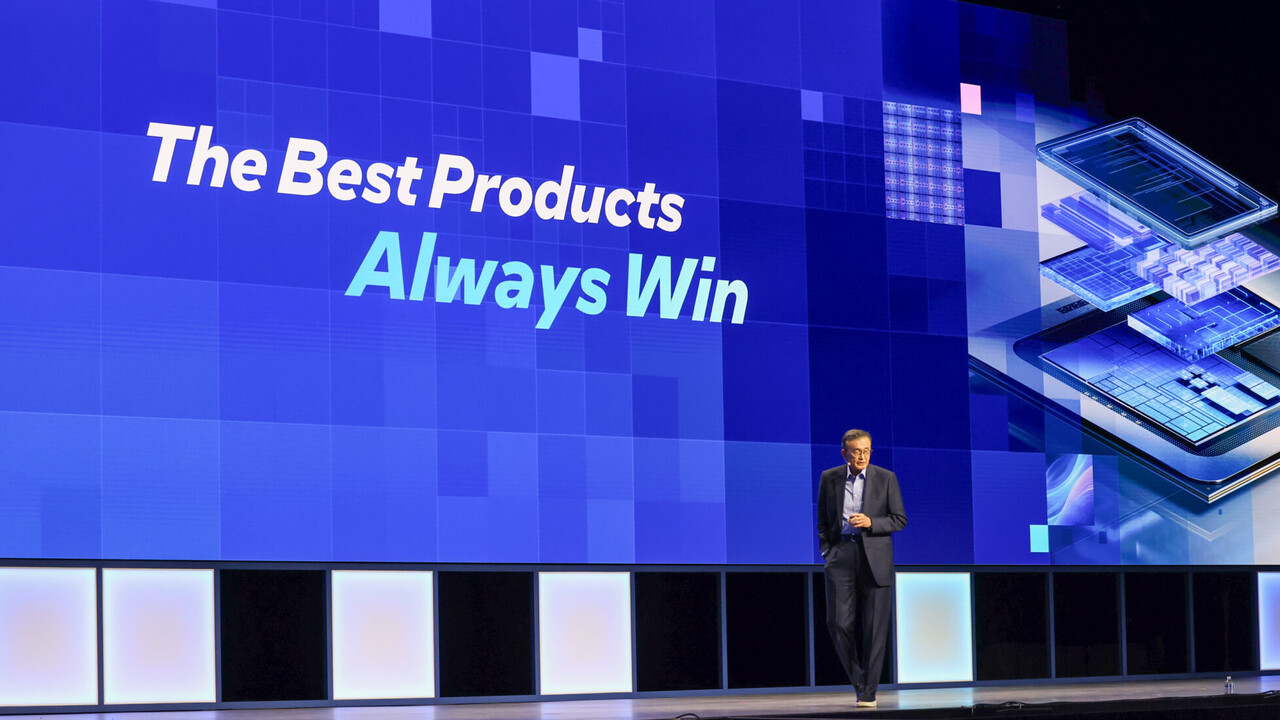
In B2B markets, some companies are famous for what they sell, while others are essential for what others sell. Intel belongs to a rare category: a company that spent decades trying to make the invisible visible, turning a component supplier into a brand that end customers could recognize, trust, and even request by name. That ambition is at the heart of one of the most powerful concepts in industrial marketing: ingredient branding.
Intel is a fascinating case because it sits at the crossroads of technology, brand strategy, industrial policy, and supply chain power. It is not only a chipmaker. It is a symbol of how a supplier can move from the background of the value chain to the foreground of market perception. In many ways, this is the dream of every B2B company: to become more than a vendor, and to become part of the buyer’s decision logic. This is also a concept I regularly discuss with my Master’s students, because it offers a clear example of how branding, visibility, and strategic positioning shape performance in industrial markets.
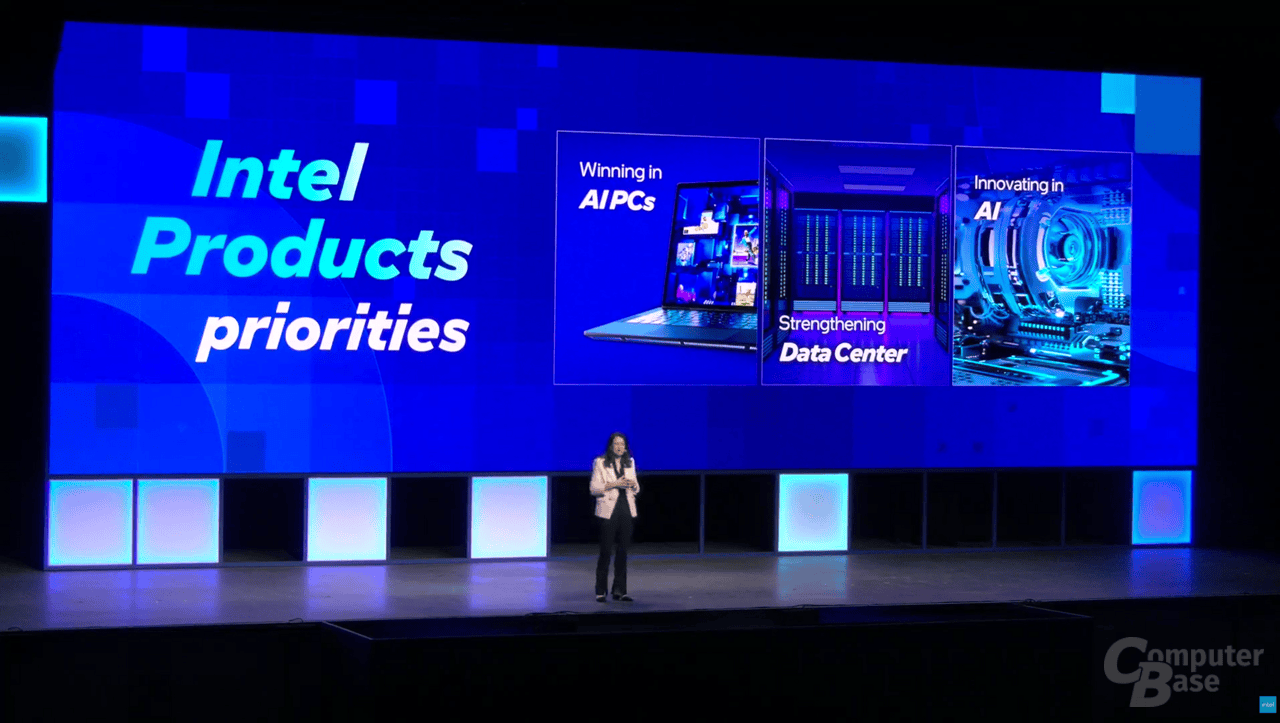
© source: www.computerbase.de
Intel’s historical success was not built only on technical performance. It was built on a marketing idea that changed the way industrial components could be sold: if the final product is valuable, the invisible component inside it can also become valuable in the eyes of the customer. This is what made Intel Inside so effective. The brand did not simply support the laptop or computer manufacturer. It created a layer of trust, quality association, and desirability around the component itself. This approach is especially interesting when seen through the lens of B2B marketing education. In many markets, the end customer never knows the names of the suppliers behind the final product. A consumer buys a car, a machine, a phone, or a computer, but rarely cares whether one internal part comes from this or that industrial supplier. That is exactly why ingredient branding is so difficult. It requires the supplier to build awareness beyond the direct buyer and to influence the final customer indirectly.
The automotive sector offers a useful comparison. A consumer does not usually buy a Renault because one internal component comes from Valeo. Valeo may be critical to the vehicle’s performance, safety, or comfort, but the end-user typically does not make a purchase decision based on that fact alone. This illustrates a core truth in industrial marketing: being essential in the product architecture is not enough. Visibility must be earned, and desirability must be designed.
Intel’s story becomes even more interesting when we look at the last few years. The company has faced a difficult environment marked by leadership change, competitive pressure, manufacturing challenges, and the rapid rise of AI-oriented architectures. Its foundry ambitions are central to its future, but they also expose the scale of the challenge. Competing with TSMC is not simply a matter of technical catch-up. It requires credibility, scale, execution discipline, customer confidence, and long-term ecosystem trust.
The departure of Pat Gelsinger in late 2024 marked a major turning point and reflected the pressure surrounding Intel’s turnaround effort. In such situations, the market often reads every move as a signal: a new leader, a new roadmap, a new promise, a new chance. But in semiconductors, promises are never enough. Investors, customers, partners, and governments all want proof.
That is why Intel’s recent breakthrough in GaN chiplet technology matters. Even in a period of structural difficulty, the company continues to produce technological milestones that reinforce the idea that it is still an innovation leader. In marketing terms, this is important because brand trust in high-tech industries is built on a combination of narrative and evidence. A company cannot survive on legacy prestige alone. It must keep showing that its roadmap has substance. Gallium nitride, or GaN, is especially relevant because it belongs to the broader discussion on power efficiency, miniaturization, thermal performance, and advanced packaging. These are not just technical attributes. They are strategic signals. They tell the market where the company believes the industry is going.
For Intel, developments such as thinnest-chiplet claims or advanced integration approaches are more than engineering news. They are positioning messages. They say: we are still in the race, we still understand the direction of the market, and we are capable of participating in the next generation of semiconductor design and manufacturing. In a sector where roadmap credibility matters as much as current product performance, this kind of signal is valuable. That is also why B2B marketing in semiconductors is different from standard product marketing. The audience is not only looking for features. It is evaluating roadmap continuity, ecosystem fit, manufacturing reliability, policy alignment, and long-term strategic stability. A foundry customer does not simply buy a process technology. It buys confidence that the supplier will still be relevant two, five, or ten years from now.
© intel. Licensed under CC BY‑NC 4.0
The phrase “too big to fail” is tempting, but it can be misleading. Intel should not be framed only as a company that deserves support because of its size. A more accurate and more strategic formulation is that Intel is too important to ignore. Why? Because it sits at the intersection of several critical issues: semiconductor sovereignty, industrial capability, supply chain resilience, advanced manufacturing, and geopolitical competition. In that sense, Intel is not just a corporate case. It is a strategic infrastructure case. That is why political support matters, and why the conversation around Intel often goes beyond finance and enters the territory of industrial policy.
When a giant structure enters a period of difficulty, the market asks whether size still guarantees resilience. The answer is not automatic. Large firms can survive longer, but they can also become slower, more bureaucratic, and more exposed to execution gaps. Size creates options, but it does not eliminate risk. When a major industrial company struggles, the response cannot be cosmetic. It needs structural clarity. The company must decide what it wants to be, what it wants to own, and where it wants to lead. It also needs to simplify its story for the market. In complex sectors, the message must remain clear enough to be believed.
This is where marketing strategy becomes a real business tool rather than a communication layer. In difficult periods, a company must manage perception without overpromising. It must reassure customers, partners, investors, and public authorities that the roadmap is coherent. It must also maintain internal alignment, because employees often need to believe in the narrative before the market does.
For semiconductor companies, this means building marketing around more than product launches. The right strategy includes ecosystem marketing, thought leadership, industrial credibility, proof points, and strategic storytelling. The message should not only say “we are innovative.” It should say “we are relevant, reliable, and ready for the next phase of the market.”
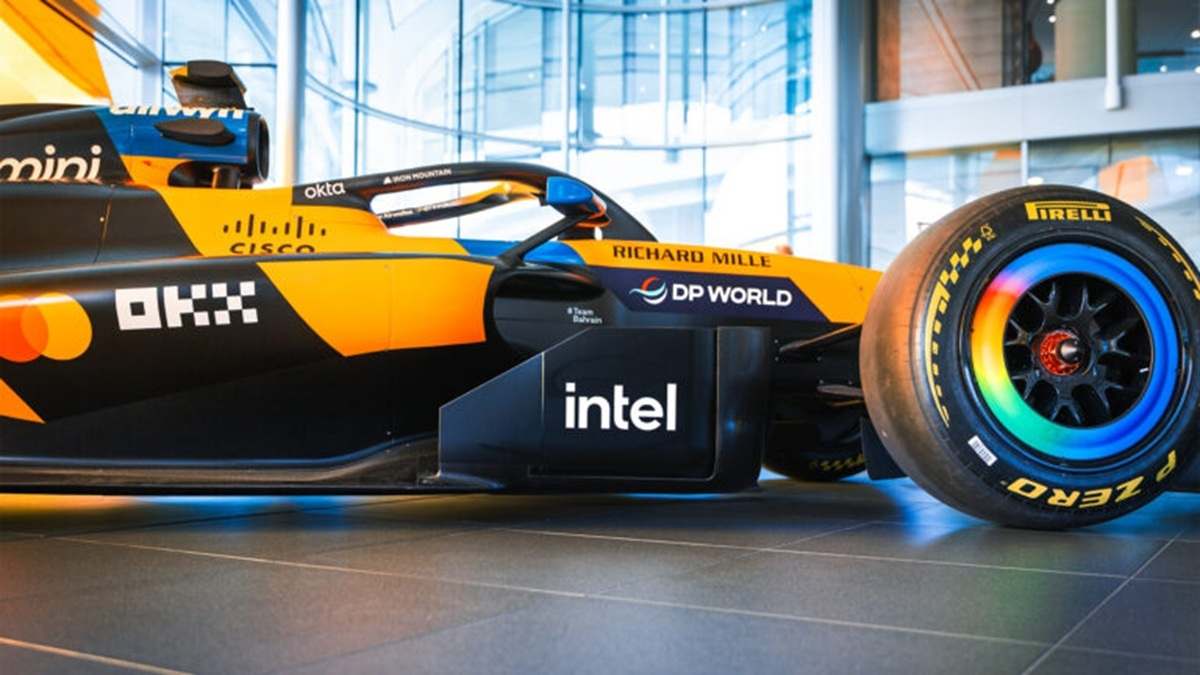
© source: www.generation-nt.com
Intel’s case teaches a broader lesson for B2B marketers: visibility is not the same as vanity. In industrial markets, visibility is a strategic asset when it improves trust, supports adoption, and strengthens market position. Ingredient branding works when it creates pull from the final market while reinforcing push from the direct buyers. This is why Intel Inside became iconic. It made a hidden component part of the consumer’s mental model. But the lesson goes even further. Every B2B company can ask itself a similar question: how do we move from being a supplier that is known only when there is a problem, to a partner that is remembered when the market is making a decision?
For consultants and marketers in semiconductors, this is especially important. The sector is full of brilliant engineering but often weak storytelling. The companies that win are usually the ones that can connect technical capability with strategic meaning. They do not only explain what a product does. They explain why it matters to the market, the ecosystem, and the future.
Intel remains a powerful case study because it combines brand ambition, industrial difficulty, technological relevance, and geopolitical importance. Its journey shows that in B2B, being inside the product is not enough. A company also has to be inside the buyer’s confidence, inside the roadmap discussion, and inside the strategic future of the market.
For marketers, the lesson is clear: the strongest B2B brands are not always the most visible to consumers, but they are the ones that create trust, shape demand, and remain credible under pressure. Intel’s story is therefore not only a semiconductor story. It is a lesson in how industrial companies build meaning, survive turbulence, and try to remain indispensable in a market that is moving faster than ever.
